Stainless Steel’s Natural Color: Silver-Gray Explained
What color is stainless steel naturally?
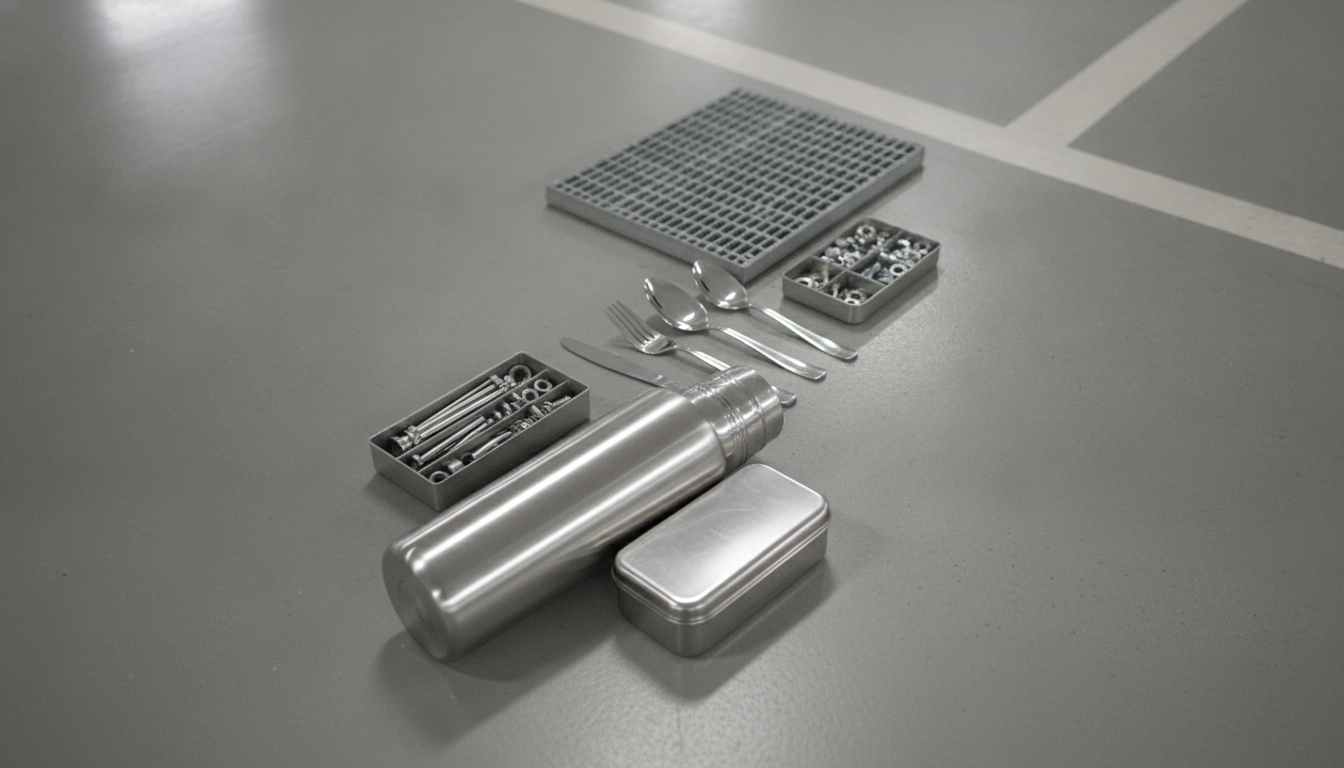
Stainless steel is naturally a silvery-gray metal with a cool, slightly bluish cast. In everyday lighting it often reads as “silver,” but it’s typically less bright than chrome and less warm than aluminum. Depending on the alloy and the surface finish, it can look anywhere from a soft, matte gray to a crisp, reflective silver-gray.
Why stainless steel looks silver-gray
Stainless steel gets its characteristic color from the way its iron-based alloy reflects light, along with a thin, transparent chromium-oxide layer that forms on the surface. This passive layer is what helps stainless steel resist rust and staining, and it also subtly affects how light bounces back, giving stainless its clean, neutral metallic appearance.
How the finish changes the “natural” look
Even when the underlying metal is the same, the finish can dramatically shift what your eye perceives as the color:
- Brushed (satin) finish: Common on appliances and sinks; appears medium silver-gray with fine linear grain and reduced glare.
- Polished/mirror finish: Looks brighter and more “silver” because it reflects surroundings like a mirror.
- Matte/bead-blasted finish: Looks darker and more charcoal-gray due to diffused reflection.
Why stainless steel can look different in different rooms
Lighting and nearby colors can make stainless steel appear warmer, cooler, lighter, or darker. Warm indoor bulbs can push it toward a slightly beige-tinted silver, while daylight can make it look crisper and cooler. Reflections from cabinetry, countertops, or wall paint can also tint the surface, especially on polished stainless.
Does stainless steel have a “color coating” naturally?
No. The natural color of stainless steel is that silver-gray tone. Colored stainless (black, bronze, gold, etc.) is achieved through treatments or coatings such as PVD, chemical coloring, or paint—not from the base metal’s natural hue.
For a deeper dive into how alloy types and finishes affect appearance, visit https://marketchic.shop/what-color-is-stainless-steel-naturally/.
FAQ
Does stainless steel change color over time?
It can look duller or slightly discolored if it picks up heat tint, mineral deposits, or surface contamination, but the metal itself remains silver-gray. Regular cleaning and proper maintenance usually restore its original appearance.







Leave a comment