Heated Outdoor Cat House Guide: Safe Winter Setup
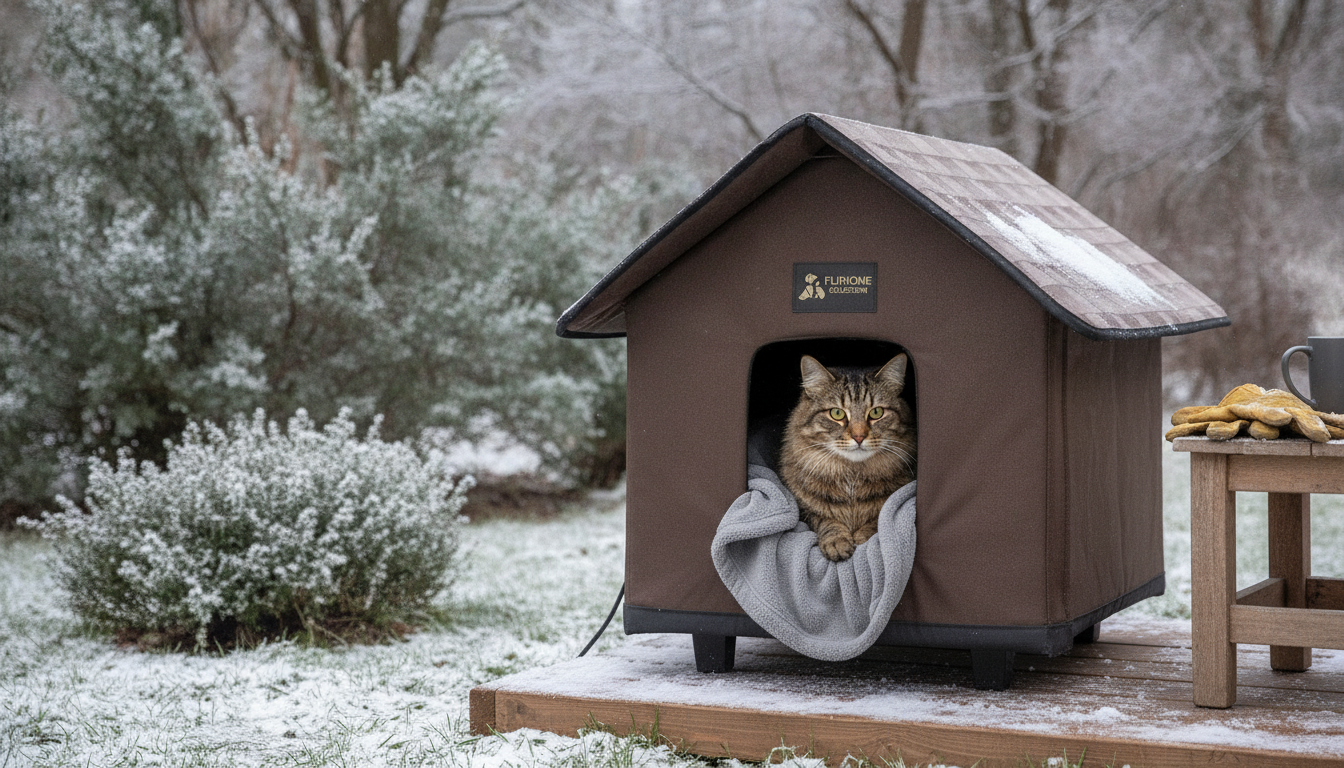
Heated Outdoor Cat House: Warm, Safe Shelter for Cold Weather
Cold, wind, and moisture can quickly become dangerous for cats spending time outdoors. A heated shelter offers a protected space that helps conserve body heat while keeping bedding dry and the entrance shielded from drafts. This guide covers what matters most—placement, insulation, electrical safety, cleaning, and how to help cats actually use the shelter—plus a quick comparison of key features to look for.
When a heated shelter makes sense
A heated outdoor cat house can be a practical upgrade when winter conditions turn wet, windy, or consistently below freezing. It’s especially helpful for cats that don’t reliably come indoors or for households supporting community cats.
- Supports outdoor cats, community cats, and indoor/outdoor cats during freezing nights, cold rain, and windy conditions.
- Useful for older cats, short-haired breeds, or cats with lower body fat that struggle to stay warm.
- Helps reduce risky behaviors like hiding in car engines or under porches to seek warmth.
- Most effective when combined with wind protection, dry bedding, and thoughtful placement.
For broader cold-weather safety reminders, review guidance from the American Veterinary Medical Association (AVMA) and the ASPCA.
What to look for in a heated outdoor cat house
- Weather resistance: sealed roof seams, raised base, and materials that won’t absorb water or warp easily.
- Insulation and draft control: snug interior space, insulated walls/roof, and an entrance flap or tunnel to block wind.
- Heating method: a thermostatic heated pad or floor that warms when the cat is inside; avoid unsafe DIY heat sources.
- Size and fit: interior should be just large enough for the cat to turn around and curl up; oversized shelters lose heat faster.
- Ease of cleaning: removable top or access panel; smooth surfaces that can be wiped and dried thoroughly.
- Cord and outlet safety: chew-resistant cord routing, protected connection point, and use with a GFCI-protected outdoor outlet.
- Roof design: sloped roof to shed rain and snow; overhang helps keep the entrance dry.
- Ventilation balance: enough airflow to reduce condensation without creating a constant draft.
Quick checklist for comparing shelters
| Feature | Why it matters | What to prioritize |
|---|---|---|
| Raised base | Reduces heat loss to frozen ground and keeps water out | Base that sits above ground; stable feet or platform |
| Insulated walls/roof | Helps retain warmth and prevents rapid cooling | Insulation plus tight seams; minimal gaps |
| Draft-blocking entrance | Wind chill can defeat heating | Offset doorway, flap, or short tunnel |
| Heated pad/floor with thermostat | Provides consistent, safer warmth | Pet-safe heating element; outdoor-rated where applicable |
| Water-shedding roof | Prevents damp bedding and mold | Sloped roof with overhang; sealed edges |
| Easy access for cleaning | Clean shelter is more likely to be used | Lift-off lid or hinged roof; wipeable surfaces |
Safe setup: placement, power, and weather protection
Even a well-built heated shelter won’t perform as intended if it’s placed in a windy, soggy corner of the yard or plugged in unsafely. A few setup details can make the difference between a cozy refuge and a damp box that cats ignore.
- Place the shelter in a quiet spot away from heavy foot traffic and barking dogs; cats choose calmer locations.
- Position the entrance away from prevailing winds; use a wall, fence, or shrubs as a windbreak without blocking airflow.
- Elevate the shelter a few inches to a foot (platform, pavers, or pallet) to reduce ground chill and pooling water.
- Keep the interior dry: avoid low points in the yard; consider a small awning or covered area if rain is frequent.
- Use an outdoor-rated extension cord only if necessary; keep connections off the ground and protected from water.
- Plug into a GFCI outlet; route the cord to prevent tripping and to keep it out of chewing paths.
- Check the heating element daily during extreme cold to confirm it’s warm and functioning as intended.
If you care for community cats, winter placement and wind-blocking tips from Alley Cat Allies can be a helpful reference point.
Bedding and interior comfort
Heating helps, but bedding is the “insulation layer” that keeps warmth close to the cat. The goal is to stay dry, reduce drafts at floor level, and avoid materials that turn clammy in freezing weather.
Helping a cat feel comfortable using the shelter
Care, cleaning, and seasonal checks
Product spotlight: Heated Outdoor Cat House
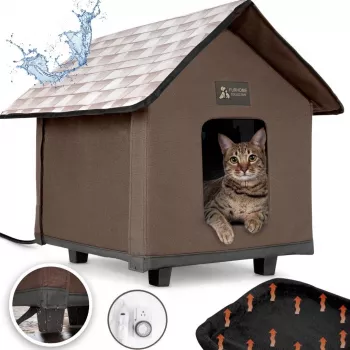
For a dedicated winter-ready option, the Heated Outdoor Cat House is designed to give outdoor cats a protected resting space with added warmth. It performs best when elevated, kept dry, and set with the entrance turned away from prevailing winds.
Optional add-on for easier access
If a cat needs help reaching a porch, enclosed patio, or vehicle for transport (especially seniors), folding pet steps can reduce jumping strain. The 5-Step Folding Dog Stairs for Cars can also work for cats in many home setups where a stable, portable set of steps is useful.
FAQ
Is it safe to use a heated cat house outside in rain or snow?
Yes, as long as the shelter and heating component are intended for outdoor use and the electrical connection stays dry. Plug into a GFCI-protected outlet, elevate the house to avoid pooling water, and routinely inspect cords and the heating element; avoid improvised heaters or unprotected plugs.
What bedding works best inside an outdoor heated shelter?
Straw is widely recommended because it insulates well and resists moisture better than blankets. Avoid towels and thick fabrics in damp, freezing weather, and replace bedding often so it stays dry and inviting.
Where should a heated outdoor cat house be placed for best warmth?
Choose a quiet spot with the entrance facing away from prevailing winds, and elevate the shelter off the ground to reduce heat loss and dampness. Keep it out of rain runoff and place feeding stations nearby but not inside the shelter to reduce wildlife attraction.








Leave a comment