Gothic Cat Tree Guide: Stylish, Stable, Cat-Approved
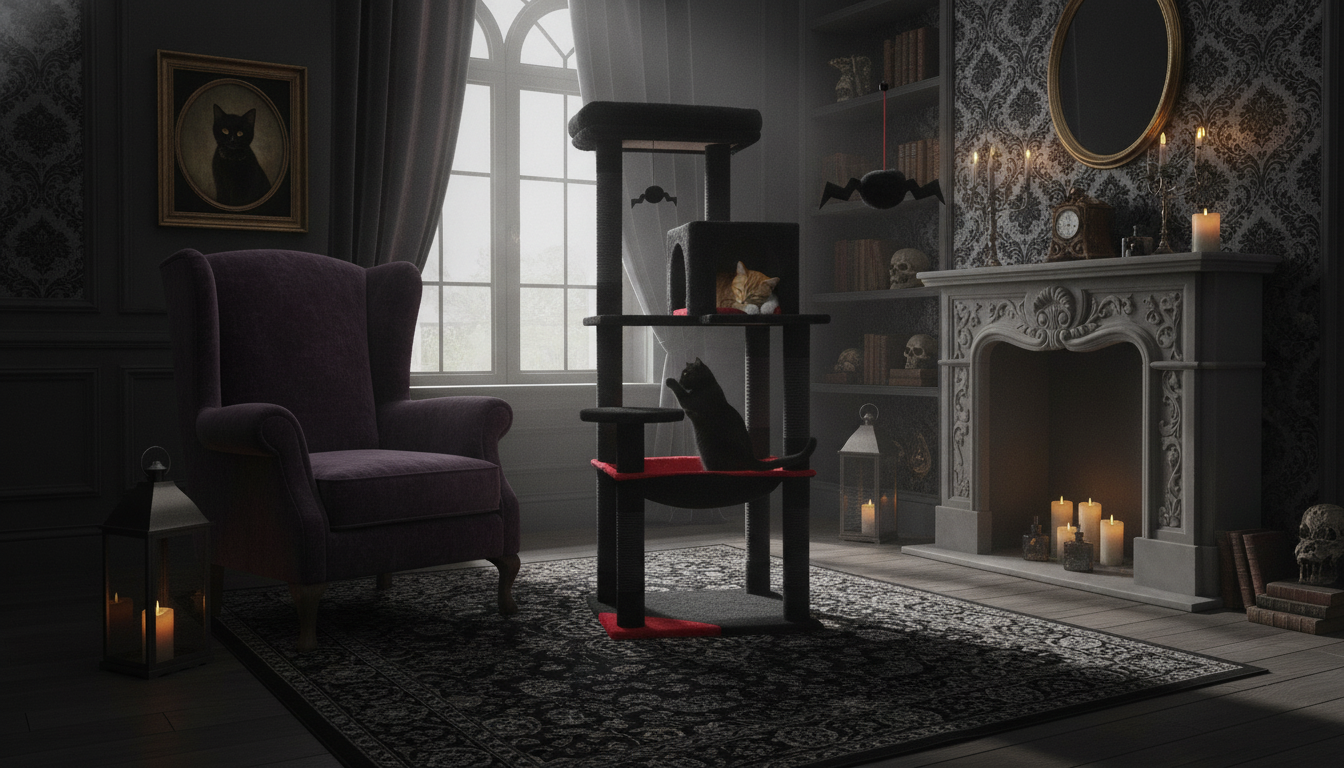
A gothic cat tree brings together everyday feline needs—climbing, scratching, perching, and napping—with a dramatic look that fits moody, vintage, or alternative home decor. The right setup should feel stable under energetic zoomies, offer multiple scratching zones, and provide cozy rest spots that help indoor cats feel secure while staying active.
What Makes a Cat Tree Feel “Gothic” (Without Sacrificing Comfort)
A “gothic” cat tree isn’t just black fabric and a spooky vibe—it’s a functional cat tower first, styled like a statement piece. The best ones blend bold design cues with the features cats actually use every day.
- Decor-forward silhouette: darker tones, dramatic lines, and statement details can read as gothic while still working like a true cat tower with platforms, posts, and perches.
- Contrast and texture: plush surfaces support naps, while tougher scratching material stands up to daily claw maintenance.
- Vertical territory: height and layered platforms create a lookout spot many indoor cats prefer for confidence and calm.
- Cozy hide options: enclosed nooks or sheltered perches can reduce stress and encourage deeper rest.
- Room placement matters: because gothic pieces often double as decor, place it near a window or favorite family area so it gets used—not ignored.
Everyday Benefits for Indoor Cats
Indoor enrichment works best when it’s built into a cat’s normal routine. A well-designed cat tree turns everyday behaviors—climbing, scratching, and watching the world—into healthy outlets.
- Healthy climbing and jumping: vertical movement supports balance, agility, and boredom relief.
- Scratching outlet: a dedicated scratch area helps redirect claws away from couches, rugs, and door frames.
- Multi-cat harmony: multiple levels can reduce resource guarding by offering more than one preferred spot.
- Confidence building: elevated perches help timid cats observe the room from a safe distance before engaging.
- Better rest routines: many cats nap more soundly in elevated or semi-enclosed spaces where they feel secure.
For deeper guidance on what cats need from their environment, the American Association of Feline Practitioners (AAFP) guidelines and ASPCA cat care resources are helpful references.
Key Features to Check Before Buying
Style is the hook, but usability is what keeps a cat coming back. Before choosing a gothic cat tree, focus on structural details that affect daily comfort and safety.
- Stability and base footprint: a wider base typically reduces wobble when a cat launches onto the top platform or springs off the side.
- Post thickness and scratch coverage: thicker posts tend to last longer; more scratchable surface area increases the chance your cat adopts it quickly.
- Platform size and spacing: bigger cats need wider shelves and sturdier perches; kittens and seniors do better with shorter, easier jumps.
- Materials and cleaning: look for surfaces that vacuum easily and fabrics that don’t trap fur excessively.
- Assembly and hardware: clear instructions, labeled parts, and secure fasteners help long-term stability.
- Weight capacity guidance: choose a model that comfortably supports your cat’s size and energy level.
Quick Comparison Checklist
Use this checklist to confirm the basics before committing: stability, scratch zones, lounging spots, and fit for your space. If your cat is a heavy scratcher, prioritize durable posts and multiple scratch areas over extra decor accents. If your cat is anxious, prioritize enclosed rest spots and a high perch with a clear view of the room.
Gothic Cat Tree Shopping Checklist
| Feature | Why it matters | What to look for |
|---|---|---|
| Stable base | Prevents tipping during jumps and play | Wide footprint; minimal wobble when pushed |
| Multiple scratch zones | Reduces furniture scratching | At least 1–2 full-height posts or panels |
| Comfortable lounging | Encourages daily use and naps | Plush perch; supportive platform edges |
| Cat-size fit | Avoids cramped perches and awkward jumps | Platform width suited to your cat; sensible step spacing |
| Easy cleaning | Keeps odors and fur manageable | Vacuum-friendly fabric; wipeable accents where possible |
| Placement compatibility | Improves adoption and reduces clutter | Fits near a window or quiet corner without blocking walkways |
Styling Tips: Making a Gothic Cat Tree Look Intentional
A gothic cat tree can look like part of a curated room rather than “pet furniture” when it’s styled like a real decor element.
If you like an alternative aesthetic beyond gothic, a desk or shelf display like the Futuristic Cyberpunk Marble Run 3D Puzzle Model can echo the same darker, high-contrast vibe without competing with your cat’s space.
Care, Safety, and Longevity
For households that like everything tidy, a slim organizer such as the 9-Drawer Fabric Dresser – Tall Chest Organizer for Bedroom & Closet Storage can keep wands, brushes, replacement scratch pads, and lint rollers close by without cluttering the room.
Featured Pick: Gothic Cat Tree for Indoor Cats
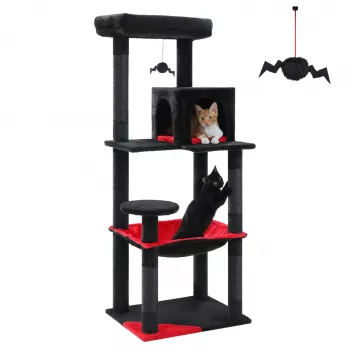
If you want a decor-friendly way to add vertical territory without disrupting a darker room palette, the Gothic Cat Tree for Indoor Cats is a strong starting point. It’s designed to support everyday indoor enrichment—climbing routes plus resting spots help channel energy, encourage healthier scratching habits, and build a predictable daily routine.
FAQ
How tall should a cat tree be for indoor cats?
A height that provides a true perch above typical eye level in the room is ideal, as long as the structure stays stable. Match the height to your cat’s mobility—kittens can handle playful climbs, while seniors may need shorter steps and easier access.
Will a cat tree stop my cat from scratching the couch?
It can significantly reduce couch scratching when the tree has appealing scratch surfaces and is placed near the problem area at first. Reward your cat for using the posts, and consider multiple scratch options if your cat is persistent.
Where is the best place to put a cat tree?
Near a window or in a social room where your cat already likes to hang out is usually best. Avoid blocking pathways, and if you’re redirecting scratching, place the tree close to the current scratching spot to make the switch easier.








Leave a comment