138×47 Manual Crank Retractable Patio Awning Guide
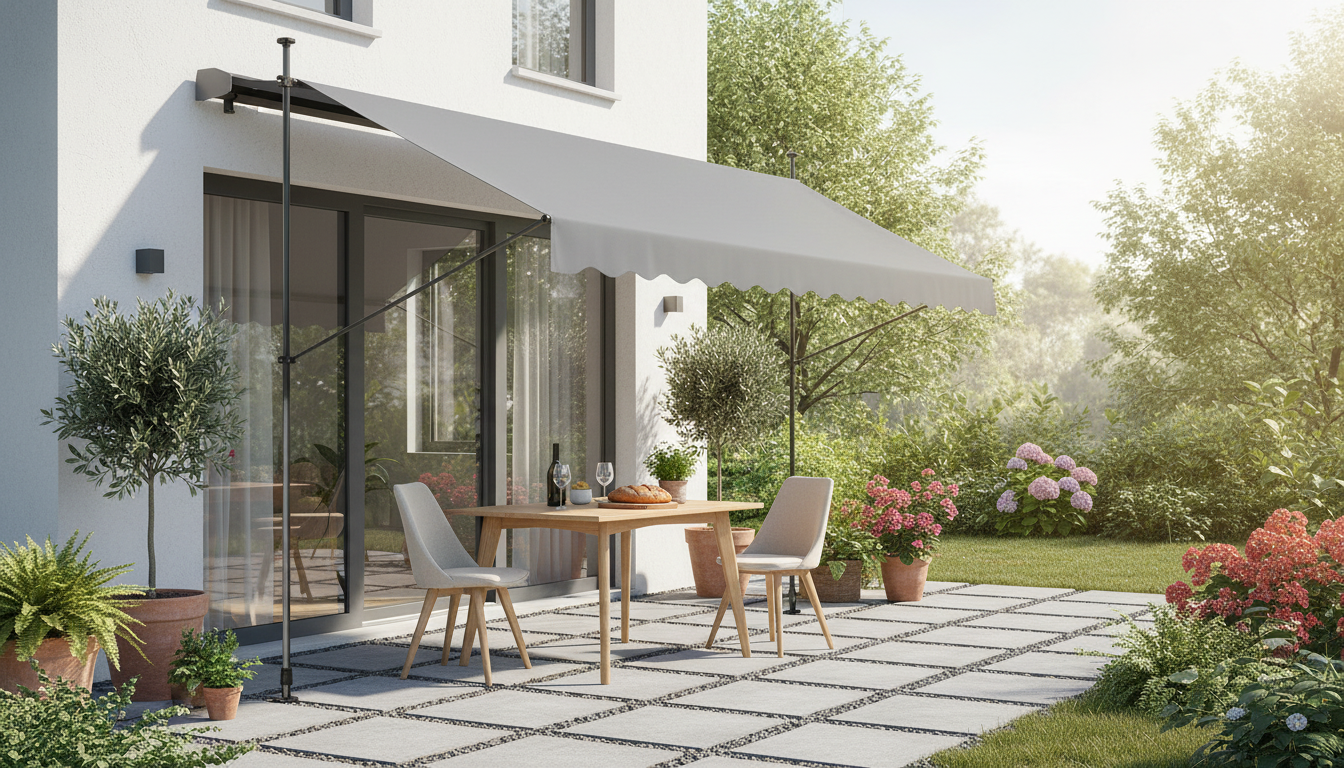
138″x47″ Retractable Patio Awning with Manual Crank for Flexible Shade
A retractable patio awning adds controllable shade without permanent construction, helping keep seating areas cooler and more comfortable during bright, hot parts of the day. This 138″x47″ manual-crank awning is designed for quick adjustments—extend for coverage, retract when the sun shifts, winds pick up, or the space needs to open up.
Whether you’re trying to cut glare through a patio door, make a small balcony more usable, or carve out a shaded spot for afternoon lounging, a compact retractable awning can deliver practical coverage without the complexity of motors or wiring. For additional guidance on why shade matters for sun safety, see The Skin Cancer Foundation — Shade.
What This Awning Adds to a Patio or Balcony
- Adjustable shade on demand: extend for midday sun and retract for evening light or clearer views.
- More usable outdoor time: reduces direct glare on seating, grills, and patio doors.
- Manual crank control: simple operation without wiring, remotes, or motors.
- Compact footprint: smaller than many fixed canopies, helpful for tighter decks and balconies.
Because the shade is retractable, it can behave more like a “sun dial” for your outdoor space—helping you manage comfort across changing sun angles without committing to a permanent roofline.
Size, Coverage, and Fit Before Buying
Getting the right fit comes down to two numbers: the awning’s width (138 inches) and the projection (47 inches). Width determines how much horizontal area you can shade; projection determines how far the shade reaches outward from the wall.
- Measure the wall or mounting surface width and confirm there’s clearance for the 138-inch span.
- Check projection depth: the 47-inch extension determines how far shade reaches over chairs or a small table.
- Plan for headroom and door swing: avoid mounting where the extended awning interferes with entryways.
- Aim for the hottest sun zone: often late afternoon on west-facing patios, when indoor glare spikes too.
Quick Fit Checklist
| Item to measure | Why it matters | Practical tip |
|---|---|---|
| Mounting width | Ensures the frame fits the surface | Leave extra space on each side for brackets and alignment |
| Projection depth (47″) | Determines shade reach | Mark 47″ on the ground to visualize coverage |
| Mounting height | Affects head clearance and shade angle | Keep enough clearance for doors, windows, and walkway traffic |
| Surface type | Determines anchors and hardware | Solid framing/masonry is preferred over thin siding alone |
Manual Crank Operation and Day-to-Day Use
A manual-crank awning is straightforward: turn the crank to extend or retract until you reach the coverage you want. The best routine is to treat it like adjustable shade rather than a “set it and forget it” structure.
- Extend gradually: stop at the shade depth needed rather than fully extending by default.
- Retract when not in use: reduces sun exposure to the fabric and helps longevity.
- Retract for gusts and storms: avoid leaving it extended during windy conditions or when away from home.
- Store the crank properly: keep it accessible and in a dry location when not in use.
For wind preparedness reminders that can help guide “retract or leave out” decisions, review National Weather Service — Wind Safety.
Installation Notes That Prevent Common Problems
Most issues with retractable awnings trace back to mounting: insufficient structure, uneven leveling, or installation in a spot with hidden obstacles. A careful layout and solid anchoring can make everyday operation feel smooth and predictable.
- Mount into structural support: wall studs, ledger boards, or solid masonry—not just exterior cladding.
- Leveling matters: an uneven mount can cause uneven rolling, rubbing, or extra tension on the arms.
- Use appropriate anchors and seal penetrations: helps prevent loosening and reduces the risk of water intrusion.
- Confirm the extension path is clear: keep it away from light fixtures, downspouts, and window trim.
Care, Cleaning, and Seasonal Storage
Basic maintenance keeps the awning looking cleaner and can help it retract smoothly. The biggest rule is to avoid trapping moisture or grit in the fabric.
- Brush off dry debris first so it doesn’t embed into the fabric during cleaning.
- Spot clean gently: mild soap and water, then rinse thoroughly.
- Dry completely before retracting: helps prevent mildew-like odors and staining.
- Inspect mounting points: check for loosening periodically, especially after windy weather.
- Off-season approach: keep it retracted during harsh weather; add a protective cover if available.
When a 138″x47″ Retractable Awning Is a Smart Choice
- Small-to-medium seating zones: targeted shade without full pergola coverage.
- Non-electrical setups: rentals or properties where a manual system is preferred.
- Changing sun angles: balconies and patios that need flexible shade as the day shifts.
- Glare control: helps reduce harsh sunlight through nearby doors and windows.
In-Stock Picks to Consider
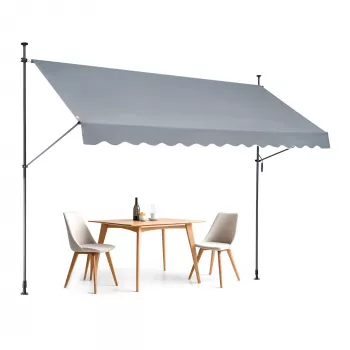
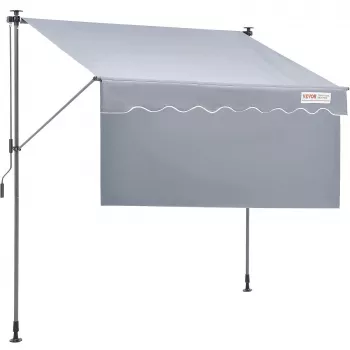
- 138″x47″ Retractable Patio Awning – Adjustable Sunshade with Manual Crank (in stock)
- 9-Drawer Fabric Dresser – Tall Chest Organizer for Bedroom & Closet Storage (in stock)
- Futuristic Cyberpunk Marble Run 3D Puzzle Model (in stock)
FAQ
Can this retractable awning stay extended in wind or rain?
It’s best to retract it during gusty conditions, storms, or heavy rain to reduce stress on the arms and mounting points and to avoid water pooling. When you’re away from home, retracting is a safer default.
How do you choose the right mounting height for a manual-crank awning?
Choose a height that preserves head clearance and avoids conflicts with doors and windows while still giving a useful shade angle. Mark the 47-inch projection on the ground to visualize where the front edge will land, then confirm the mounting points tie into solid structure (studs, ledger, or masonry).
What’s the best way to clean the fabric without damaging it?
Brush off loose debris first, then use mild soap and water with a soft sponge or cloth, rinse well, and let it fully air-dry before retracting. Avoid harsh chemicals and pressure washing, which can weaken fabric and coatings.







Leave a comment