Barbecue Pizza Stone: Is It Worth Buying for Your Grill?
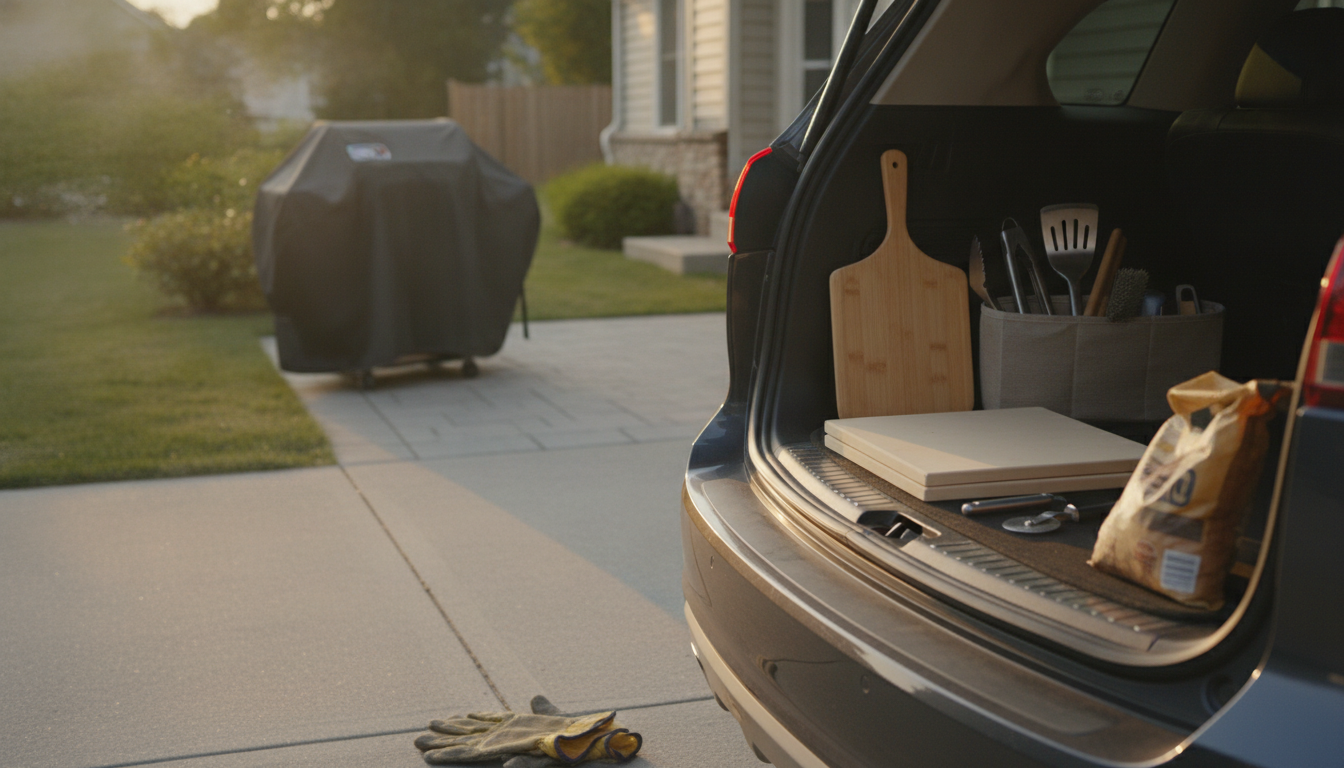
Is a barbecue pizza stone worth it?
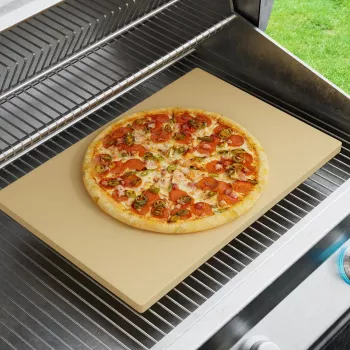
A barbecue pizza stone is worth it if you want crisp, pizzeria-style crust without buying a dedicated outdoor pizza oven. On a grill, a stone acts like a heat battery: it absorbs and holds high heat, then releases it evenly into the dough. That steady, conductive heat helps the bottom set quickly, reducing soggy centers and improving browning.
It’s especially useful when your grill has hot spots or fluctuates with wind and lid openings. A stone smooths out those temperature swings, giving more consistent results from pie to pie. If you routinely cook pizza outdoors for family nights or parties, the upgrade in texture and repeatability can justify the cost.
When it makes the most sense
A pizza stone shines on gas or charcoal grills that can reliably reach around 450–550°F with the lid closed. It’s a strong choice for thinner crusts, quick bakes, and toppings that benefit from fast heat—think pepperoni, veggies, or Neapolitan-inspired builds adapted for grill temps. It’s also helpful for baking other items on the grill, like flatbreads, biscuits, or reheating slices without turning them limp.
When it may not be worth it
If you only make pizza a couple of times a year, a heavy-duty sheet pan or cast-iron skillet may be enough. It also may not be ideal if your grill struggles to get hot or you mainly prefer deep-dish styles that bake longer at lower heat. Stones can crack from thermal shock, so they require a bit of care: preheat gradually, avoid putting a cold stone onto a ripping-hot grill, and never rinse it under cold water while it’s still warm.
What to look for before buying
Choose a stone sized to leave airflow around the edges of your grill (crowding can trap heat and create uneven bakes). Thicker stones hold heat better but take longer to preheat. Cordierite is a popular material for durability at high temperatures, while ceramic stones can work well but may be more prone to cracking if handled roughly.
For a deeper breakdown of pros, cons, and practical grill setup tips, see the full guide here: https://marketchic.shop/is-a-barbecue-pizza-stone-worth-it/.
FAQ
Can you use a pizza stone on a gas grill?
Yes. Preheat the stone on the grill with the lid closed, then cook the pizza with indirect heat as needed to prevent burning while still getting a crisp bottom.








Leave a comment